P-DTR in Cluj
Therapy that looks for the cause of your pain, not the place that hurts.
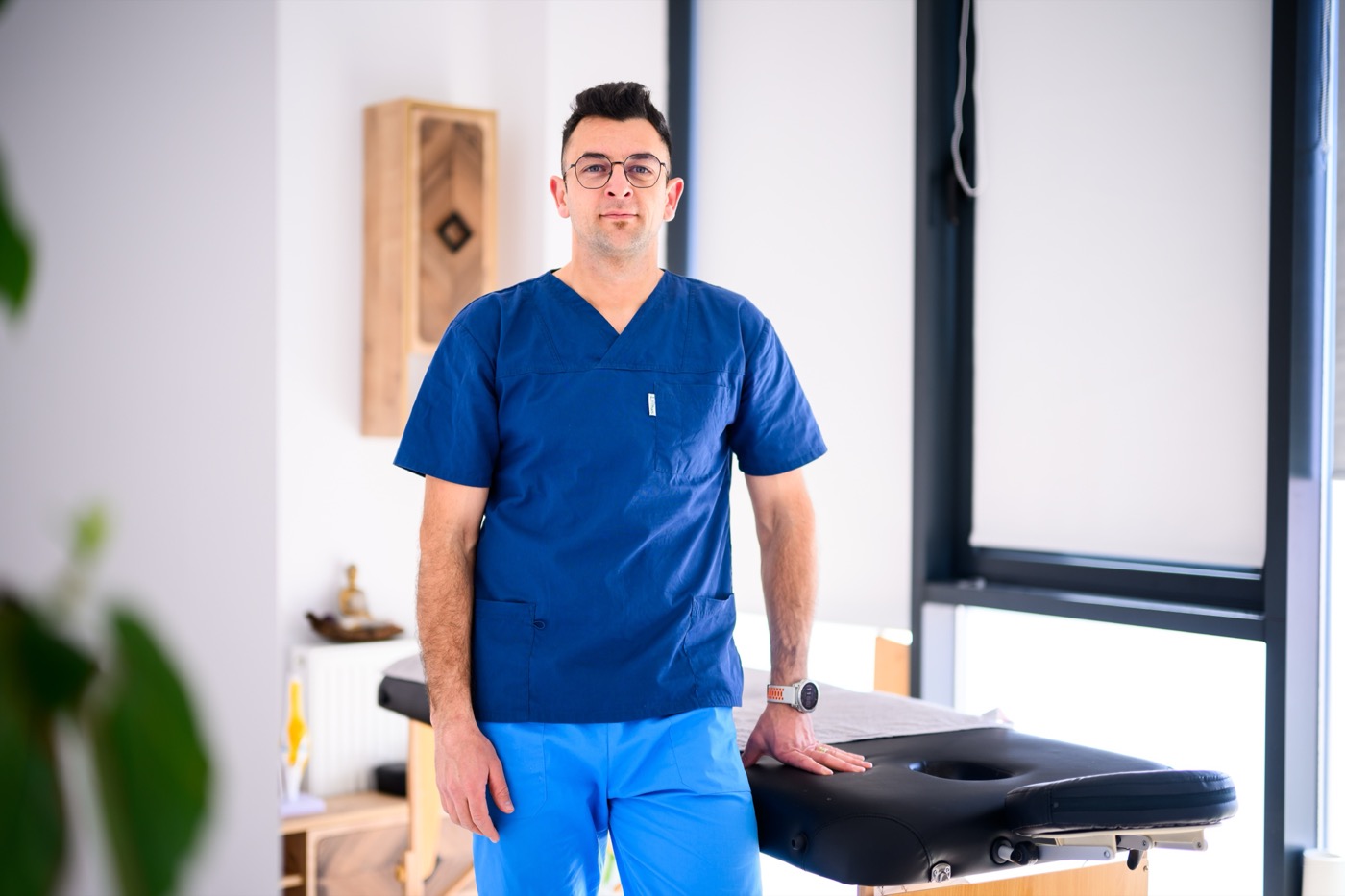
I'm Radu Conea, a kinetotherapist. One of more than 5,000 P-DTR therapists in the world.
I don't treat the place that hurts. I find the real cause of the pain.
in 2025
rated 5.0
with Prof. Dr. Jose Palomar
Pain is only an effect
Pain is only an EFFECT.
The CAUSE is almost always an old trauma. A sprain, a fall, an operation, a blow to the head as a child. It doesn't matter if it was 5, 15 or 30 years ago.
The body doesn't forget.
P-DTR, in plain words
P-DTR comes from applied neurology. The full name is Proprioceptive Deep Tendon Reflex, and the method was developed by Prof. Dr. Jose Palomar.
The nervous system uses muscles like tools. It decides which muscle works, which one rests and which one stays tense. And what makes it decide is trauma.
After an accident, the body remembers the place that got hurt and wants to protect it. So it “switches off” some muscles. Meaning they no longer work the way they should, and other muscles do their job on top of their own. That's where the pain comes from.
What does the chin have to do with the back?
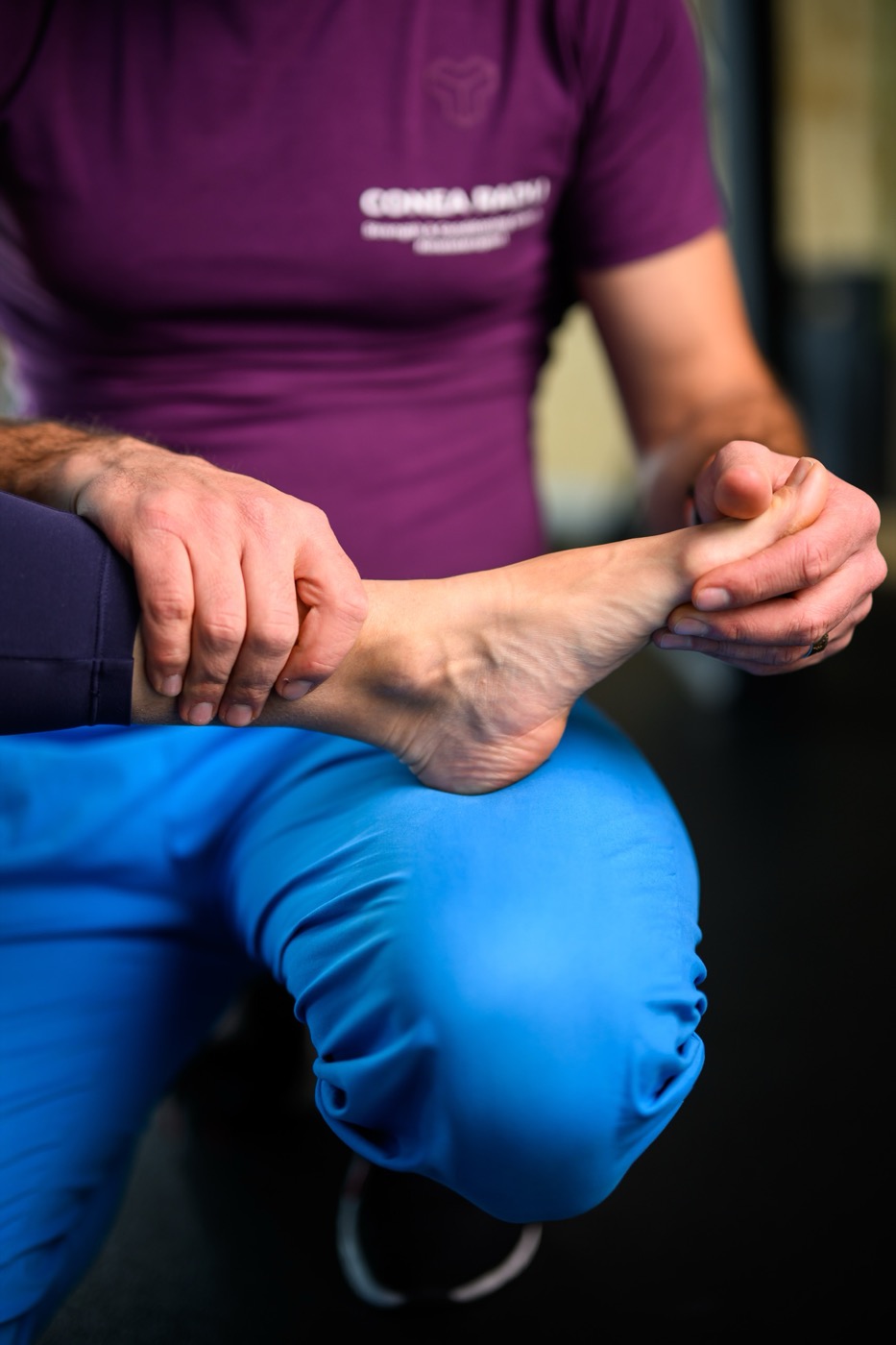
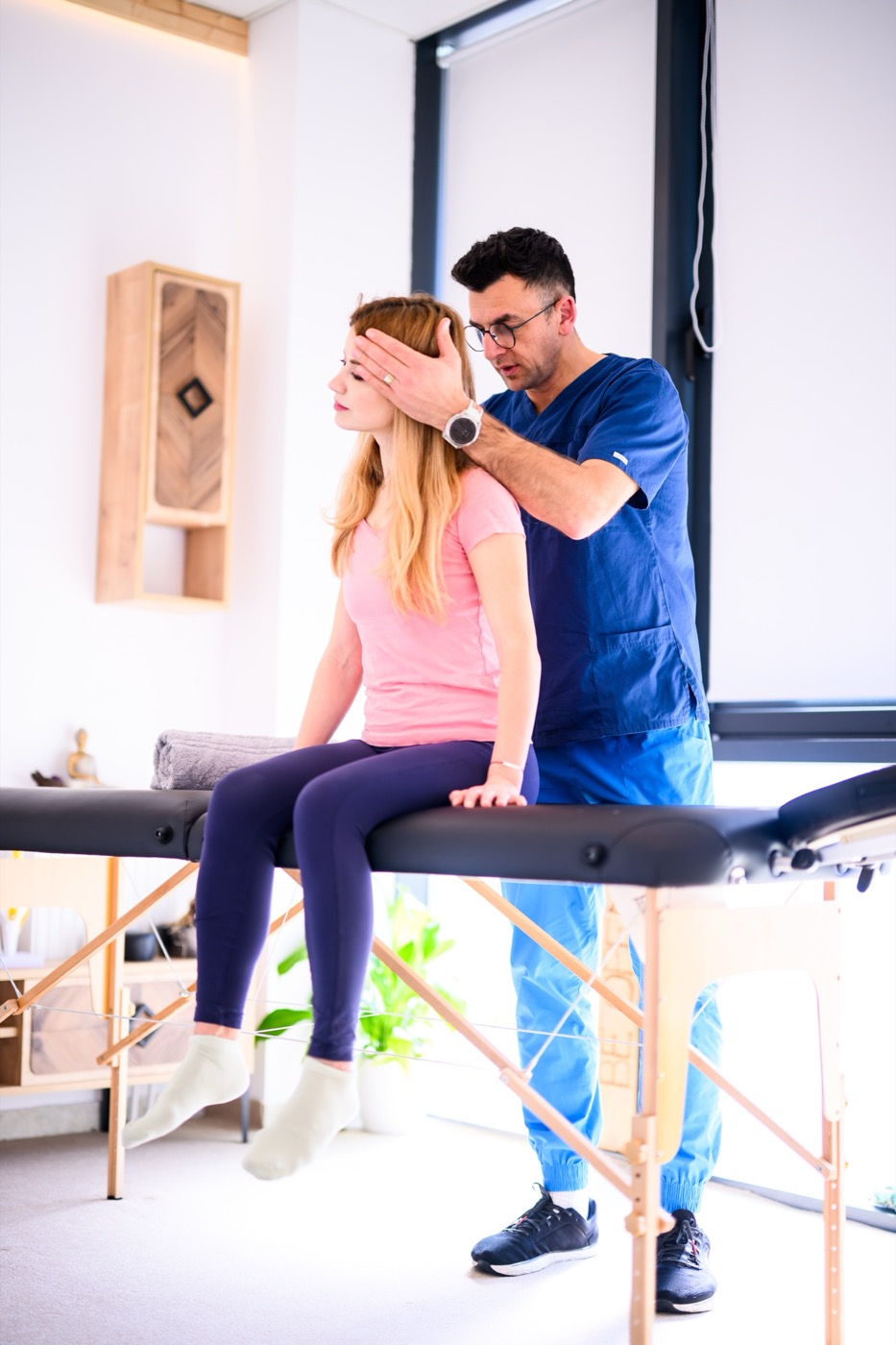
Someone comes in with back pain. At age 10, a fall off the bike. A split chin, a tooth knocked out. I test a big muscle at the hip. It's weak. I touch the chin. The muscle contracts at full strength. Like a light switch.The body still remembered the fall from age 10. And it was “switching off” the muscle that was supposed to hold the back.
What a P-DTR session looks like
There's no exercise list that fits everyone. No conveyor-belt protocol. First we test, then we work.
I test. I do NOT guess.
Your story
What hurts, when it hurts, since when. And what other pain you've had over the years. That's where the gold is.
I test
The big muscles that link the lower body to the upper body. Which ones are weak, which ones are normal, which ones are tense.
I look for the cause
The place your body is still protecting, even if you forgot about it long ago.
I treat and retest
On the spot. You see with your own eyes what changes, before you leave.
Why I work in programmes
In the kinetotherapy sessions I watch you move. I find out where it hurts, when it hurts, which movement doesn't work. I write everything down.
And at the next P-DTR session I treat exactly what I found there.
Therapy without kinetotherapy is therapy by guesswork.
A programme lasts about a month and a half to two months. Nothing is rushed.
“It's like taking a stick and poking a wasps' nest, to see if there are still wasps inside.”
A client, after understanding what we do in therapy. Exactly that.What people who've been here say
After the assessment I got answers, and for the first time I found out the real cause of my pain.
I was really amazed to see where the pain had started: an ingrown toenail operation on my foot, back in childhood!
The shoulder problem comes from some ankle sprains.
I don't promise anyone the same result. It depends on the situation. That's why we test.
All 54 reviews →What P-DTR costs
Biomechanical assessment
About an hour. This is where we find out where your pain starts. Nothing gets decided over a message.
P-DTR sessions
- 1 session · 600 RON
- 3 sessions · 1.700 RON
- 5 sessions · 2.800 RON
Essential
- 4 P-DTR sessions
- 6 kinetotherapy sessions
- for one specific area: elbow, shoulder, hand
Extended
- 6 P-DTR sessions
- 10 kinetotherapy sessions
- weekly check-ins
- recommended for a herniation that has taken away a lot of strength
Intensive Recovery
- 10 P-DTR sessions
- 20 kinetotherapy sessions
- 3-month nutrition plan
- 2.700 RON per month, for 3 months
We choose the programme together, after the assessment. I guide you and suggest options, and you choose.
I was a patient too
I had a 10 millimetre L4-L5 disc herniation. The flare-ups kept coming back for years. I got the same protocol as five other people, with herniations in different places.
That's how my obsession started. I went ultra-specialised.
I graduated from the Faculty of Physical Education and Sport at Babeș-Bolyai University (UBB) in Cluj, in kinetotherapy and special motricity. I did the full P-DTR course, 2 years and 6 modules, with Prof. Dr. Jose Palomar, who developed the method.
Read the story of my herniation →What P-DTR doesn't treat
- brain and spinal cord injuries
- rheumatic conditions in the acute phase of the inflammation
- psychiatric disorders
- acute inflammatory pain from the internal organs
- congenital diseases
Questions I get
First comes the biomechanical assessment. From there we know where to start.
Every body has a story. Let's see what yours has to tell us.
Book your assessment0757 693 543 · Str. Alexandru Roșca nr. 5, Cluj-Napoca